The Reality of Houston Summers and Home Energy Consumption
The climate in Southeast Texas presents a unique set of challenges for residential properties. High ambient temperatures, intense ultraviolet (UV) radiation, and unrelenting humidity combine to create an environment where maintaining a comfortable indoor temperature requires significant energy expenditure. For residents relying on standard or aging fenestration systems, the summer months often bring elevated utility bills and a constant strain on heating, ventilation, and air conditioning (HVAC) units. To combat these harsh conditions, upgrading to energy-efficient windows has become a necessary structural improvement rather than a luxury.
Older residential windows, particularly single-pane models or early double-pane iterations with compromised seals, are highly susceptible to thermal transfer. Heat naturally moves from warmer spaces to cooler spaces. During a brutal Texas summer, outdoor heat constantly attempts to penetrate the cooler, air-conditioned interior of a home. Without the proper defensive barriers in place, solar heat gain effectively neutralizes the cooling efforts of an HVAC system, leading to uncomfortable indoor environments and excessive energy consumption. By understanding the critical role that advanced window technology plays in climate control, homeowners can make informed decisions about property upgrades that yield substantial long-term savings.
Understanding ENERGY STAR Ratings and Window Metrics
When evaluating replacement windows, the ENERGY STAR label serves as a reliable indicator of superior thermal performance. Supported by the Environmental Protection Agency (EPA), the ENERGY STAR program establishes strict efficiency guidelines based on regional climates. Because Southeast Texas falls into the Southern Climate Zone, fenestration products must meet specific, rigorous criteria designed primarily to block heat rather than retain it.
The performance of these architectural components is measured using metrics established by the National Fenestration Rating Council (NFRC). Understanding the anatomy of an energy-efficient window requires familiarization with two primary ratings:
Solar Heat Gain Coefficient (SHGC)
The Solar Heat Gain Coefficient measures the fraction of incident solar radiation admitted through a window. This includes both directly transmitted radiation and radiation absorbed and subsequently released inward. SHGC is expressed as a number between 0 and 1. In a hot climate like Houston, a lower SHGC rating is vital because it indicates the window transmits less solar heat. High-performance models are engineered to achieve exceptionally low SHGC ratings, acting as a highly effective barrier against the summer sun.
U-Factor
While SHGC measures radiant heat from the sun, the U-factor measures the rate of non-solar heat transfer. This metric indicates how well a window insulates. The lower the U-factor, the better the window resists heat flow. Advanced window systems utilize specialized frame materials and multi-pane glazing to lower the U-factor, ensuring that ambient outdoor heat remains outside and conditioned indoor air remains inside.
Advanced Glass Technology: The Science of Keeping Interiors Cool
The glazing package is the most critical component of any window regarding thermal performance. Standard glass offers virtually no resistance to radiant heat. However, modern engineering has transformed window glass into a complex, multi-layered defense system.
Premium manufacturers incorporate proprietary technologies that maximize visible light while minimizing heat transmission. For instance, specific high-grade Houston windows are manufactured utilizing up to 12 layers of glass and specialized coatings. This advanced construction is capable of blocking up to 90% of solar heat gain while still providing the highest visible light available. The resulting environment is bright and illuminated by natural sunlight, yet unaffected by the accompanying solar heat.
A key element in this technology is the application of Low-Emissivity (Low-E) coatings. Low-E coatings are microscopically thin, virtually invisible layers of metallic oxides deposited directly onto the glass surface. These metallic layers are engineered to reflect long-wave infrared energy (heat) while allowing short-wave energy (visible light) to pass through. During a hot Houston summer, a Low-E coating reflects the exterior thermal energy away from the home.
Furthermore, these glass panes are not set empty. They are separated by sophisticated spacer systems and the resulting cavity is filled with inert, dense gases such as argon or krypton. Because these gases are denser than atmospheric air, they significantly reduce convective heat transfer within the insulated glass unit (IGU), optimizing the value of energy-efficient window replacements.
Structural Integrity: Engineered for Extreme Texas Weather
In Southeast Texas, high temperatures are not the only threat to a property’s exterior. The region frequently experiences severe weather events, ranging from aggressive thunderstorms to powerful tropical cyclones. Therefore, window systems must be engineered for both exceptional thermal resistance and unyielding structural integrity.
The material composition of the window frame plays a major role in both longevity and efficiency. Aluminum frames conduct heat rapidly, making them highly inefficient for hot climates. Wood frames, while offering good insulation, are highly susceptible to moisture damage, rot, and termite infestations in humid environments. The superior alternative is high-grade virgin vinyl. Top-tier vinyl windows are constructed from thick, 90-gauge material. Vinyl acts as a natural insulator, preventing thermal bridging, and will never rot, warp, peel, or corrode, even in the most intense coastal humidity.
Beyond the frame material, internal reinforcement is required to withstand extreme barometric pressures and high-velocity winds. Premium models feature steel-reinforced sashes and robust interlocking latch systems. This precise engineering ensures the window remains securely fastened within its frame. The highest quality options on the market undergo rigorous testing to achieve highly distinguished certifications, including those from the Texas Department of Insurance (TDI) and Miami-Dade County. These distinct approvals signify that the products perform as reliable hurricane impact windows, providing homeowners with essential security alongside thermal regulation.
Financial and Environmental Benefits of High-Performance Windows
Replacing outdated, inefficient fenestration with ENERGY STAR rated models presents a substantial return on investment. The most immediate impact is observed in monthly utility expenditures. By blocking 90% of solar heat gain, a home’s air conditioning system does not have to work continuously to maintain a set thermostat temperature. Property owners investing in comprehensive solutions for extreme weather conditions often see up to a 40% reduction in their cooling and heating costs over time.
In addition to direct utility savings, lowering the operational demand on an HVAC system significantly extends the equipment’s lifespan. Air conditioning units that run constantly during the summer are prone to accelerated wear, frequent breakdowns, and early replacement requirements. Proper window insulation mitigates this extensive wear and tear.
Another often-overlooked financial benefit is the protection of interior assets. The UV rays that penetrate standard glass are responsible for the fading and degradation of hardwood floors, carpets, artwork, and upholstery. The multi-layered glass and Low-E coatings found in premium windows block the vast majority of these damaging UV rays, preserving the vibrant colors and structural integrity of valuable interior furnishings.
Exploring Window Styles for Optimal Energy Efficiency and Ventilation
While the materials and manufacturing dictate baseline performance, the architectural style of a window also influences ventilation patterns and thermal efficiency. Homeowners have access to a variety of styles, each offering distinct functional benefits.
Casement Windows
Operating via a side hinge and a crank mechanism, casement windows are among the most energy-efficient operable models available. When the wind blows against a closed casement window, the pressure physically pushes the sash tighter against the weatherstripping, creating an exceptionally secure, airtight seal that prevents drafts.
Double Hung Windows
Featuring two independently operable sashes within a single frame, double hung windows offer excellent ventilation management. Homeowners can open the top sash to allow rising warm air to escape while opening the bottom sash to draw in cooler, fresh air. High-quality designs include tilt-in mechanisms for safe and easy cleaning from inside the home.
Picture Windows
Because they are completely fixed and do not open, picture windows offer maximum energy efficiency. Without operational gaps, there is zero risk of air infiltration. These are ideal for framing large, scenic views while relying entirely on advanced glass technology to manage solar heat gain.
Impact-Resistant Sliding Glass Patio Doors
Large spans of glass, such as patio doors, are often the primary source of heat transfer in a residential structure. Modern sliding glass patio doors are now engineered with the same meticulous standards as premium windows. Utilizing thick virgin vinyl construction and impact-resistant, insulated glass, these doors provide uninterrupted outdoor views, smooth operation, and optimal resistance against extreme summer temperatures.
The Importance of Professional Manufacturing and Installation Standards
The finest window technology in the world will underperform if it is improperly manufactured or incorrectly installed. An exact, airtight fit is required to maximize thermal performance and prevent moisture infiltration. When property owners research how to fix drafty windows, the root cause is almost always traced back to builder-grade materials or poor installation practices.
Working with a company that controls the entire process—from manufacturing to installation—guarantees superior quality control. Factory-direct models ensure that the highest quality materials are used without the inflated costs associated with middleman markups. By ordering custom windows designed to fit the exact millimeter of a home’s specific openings, reliance on excessive shims and caulking is eliminated.
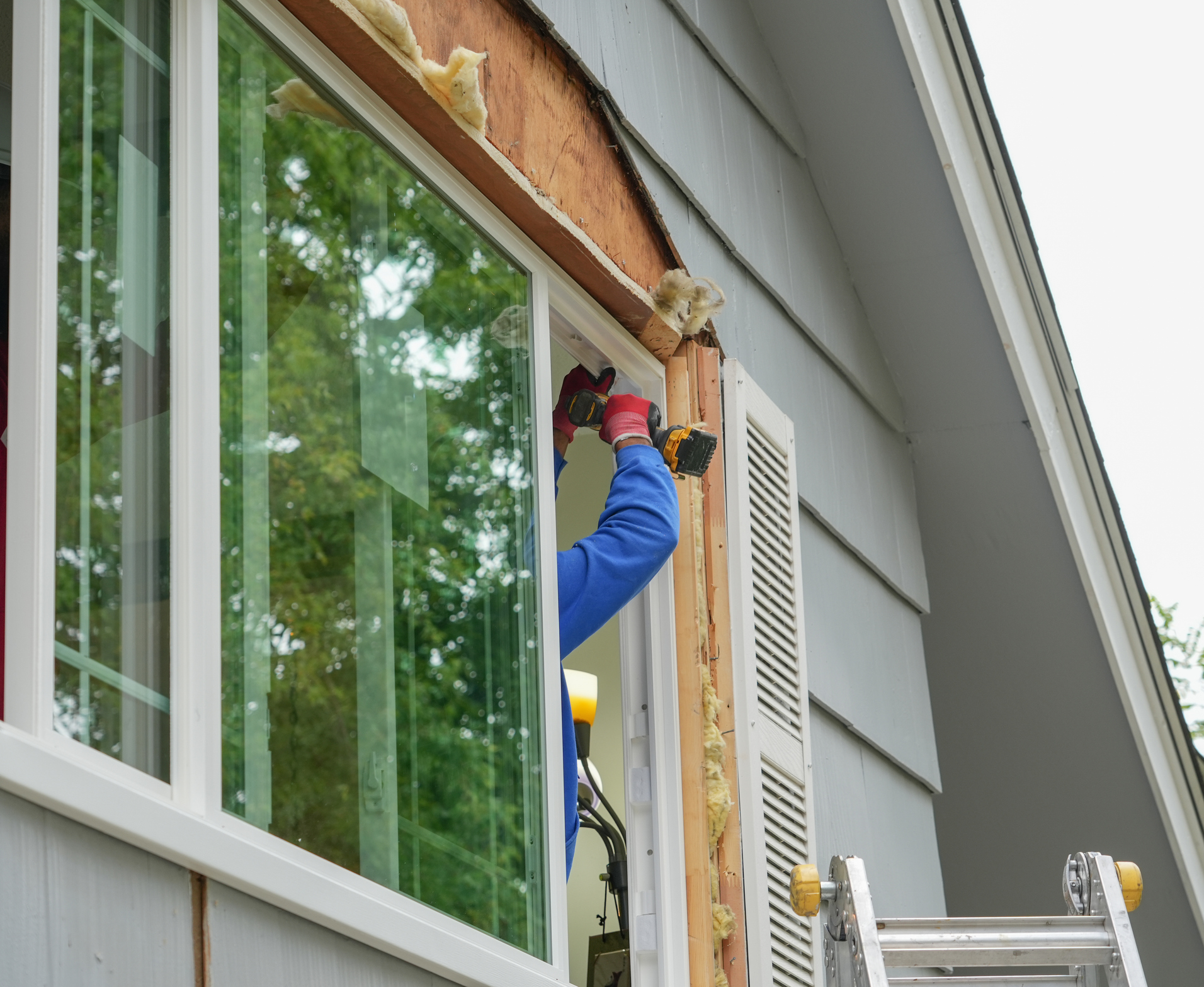
Furthermore, installation must be executed by highly trained professionals. Reputable companies rely strictly on in-house, factory-trained installers rather than unpredictable subcontractors. This dedication to craftsmanship guarantees that every interlocking latch, weatherstripping seal, and anchor point is perfectly aligned, ensuring maximum protection against water intrusion, air leakage, and severe weather.
Finally, a significant marker of high-performance window manufacturing is the backing of industry-leading warranties. Products engineered to last a lifetime should be guaranteed to do so, providing property owners with total peace of mind regarding their home improvement investment.
About Storm Tight Windows of Texas
A house is a homeowner’s most important investment, and finding a home improvement company that treats it as such is essential. Since 2004, Storm Tight Windows of Texas has been dedicated to making local homes more beautiful, valuable, and energy-efficient. As a leading provider for high-quality replacement windows and doors in the greater Houston area, the company promises products that look spectacular and are guaranteed to last a lifetime.
The BBB-accredited and A+-rated door and window company treats every single customer like family. The primary focus remains firmly on customer satisfaction rather than corporate profits. Storm Tight Windows of Texas is exceptionally proud of the contribution made to the comfort, aesthetic appeal, and uncompromised security of local families, no matter what the Texas weather brings.
By engaging with this expert team, homeowners can expect unparalleled benefits throughout every phase of the project, including free consultations and project estimates, custom windows designed to fit precise architectural specifications, and the use of durable materials for lasting strength and beauty. Installation is completed exclusively by in-house window and door installers—never subcontractors. Furthermore, customers are provided with flexible financing options, low monthly payments, and industry-leading warranties on all products and services.
Recognized as the No. 1 impact window and door company in Texas, the organization takes the utmost pride in durable products and exceptional services. Throughout years in business, Storm Tight Windows of Texas has sold and installed over one million windows and has never had a single one fail during a tropical storm or hurricane.
This unwavering commitment to excellence has resulted in a long list of highly satisfied customers and countless 5-star reviews on Google. Most importantly, it has earned the trust and respect of hundreds of Houston homeowners who rely on these resilient windows and durable exterior doors to protect their families.
For quality products engineered to perfection, trust the experts at Storm Tight Windows of Texas. From advanced impact windows with 12 layers of glass blocking 90% of solar heat gain to exclusive entryways and patio doors, their professional installers deliver the most well-rounded protection possible for residential properties. As the only US window manufacturer to earn prestigious TDI & Miami-Dade County Certifications, the company ensures that whether the threat is a small passing storm, scorching summer heat, or a full-scale hurricane, these architectural upgrades can withstand it all.
Get connected and learn more about superior window technology by visiting Storm Tight Windows of Texas on social media: